What Is Rose Gold Made Of?
Rose gold is made by alloying pure gold with a higher proportion of copper than you would find in yellow or white gold. The copper gives the metal its distinctive warm pink tone. A 14k rose gold ring contains 58.3% pure gold, with copper making up the majority of the remaining alloy - typically around 33% copper and small amounts of silver or zinc to fine-tune the color and working properties.
How Does Copper Content Create the Pink Color?
Copper is naturally a reddish-orange metal. When mixed with gold, it shifts the alloy's color away from pure yellow toward pink. The more copper in the alloy, the more pronounced the rose tone. At 14k, the ratio produces a warm blush that balances pink and gold. At 18k, there is more gold and proportionally less copper, which results in a subtler, more peach-like hue. At 10k, the higher copper content creates a stronger, more obviously pink appearance.
This is why rose gold varies in shade depending on the karat and the specific alloy formula used by the jeweler. There is no single universal standard for rose gold color. Each manufacturer's recipe produces a slightly different shade, which means two 14k rose gold rings from different makers may not match exactly.
Is Rose Gold as Durable as Other Gold Alloys?
Rose gold is actually among the most durable gold alloys. Copper is a relatively hard metal, and its high proportion in rose gold alloys gives the finished ring excellent scratch resistance and structural rigidity. In many cases, 14k rose gold is harder than 14k yellow gold, which uses a more balanced mix of copper and softer metals like silver.
Unlike white gold, rose gold does not require rhodium plating. Its color comes from the alloy itself, not from a surface treatment. This means rose gold rings maintain their appearance without periodic replating - the color you see on day one is the same color you will see ten years later. Over time, rose gold may develop a slightly deeper, richer patina as the copper at the surface undergoes minimal oxidation. Many wearers find this aging effect appealing.
Does Rose Gold Cause Skin Reactions?
The high copper content in rose gold can occasionally cause a green mark on the skin beneath the ring. This is a harmless chemical reaction between copper and the acids in your sweat - the same reaction that turns a copper penny green. It is not an allergic reaction, and it washes off with soap and water.
True metal allergies to rose gold are uncommon. Copper allergies exist but are rare compared to nickel allergies. Since rose gold typically does not contain nickel, it is often a better choice for sensitive skin than white gold, which frequently includes nickel in its alloy. If you have reacted to copper jewelry in the past, rose gold may not be ideal - but for most people, it is one of the most skin-friendly gold options available.
What Gemstones Pair Best with Rose Gold Settings?
Rose gold's warm tone complements a wide range of gemstones. It pairs particularly well with pink sapphires, morganite, and rubies, where the metal enhances the stone's warm undertones. It also creates a striking contrast with white diamonds and blue sapphires, where the pink metal makes the cool-toned stones appear more vivid.
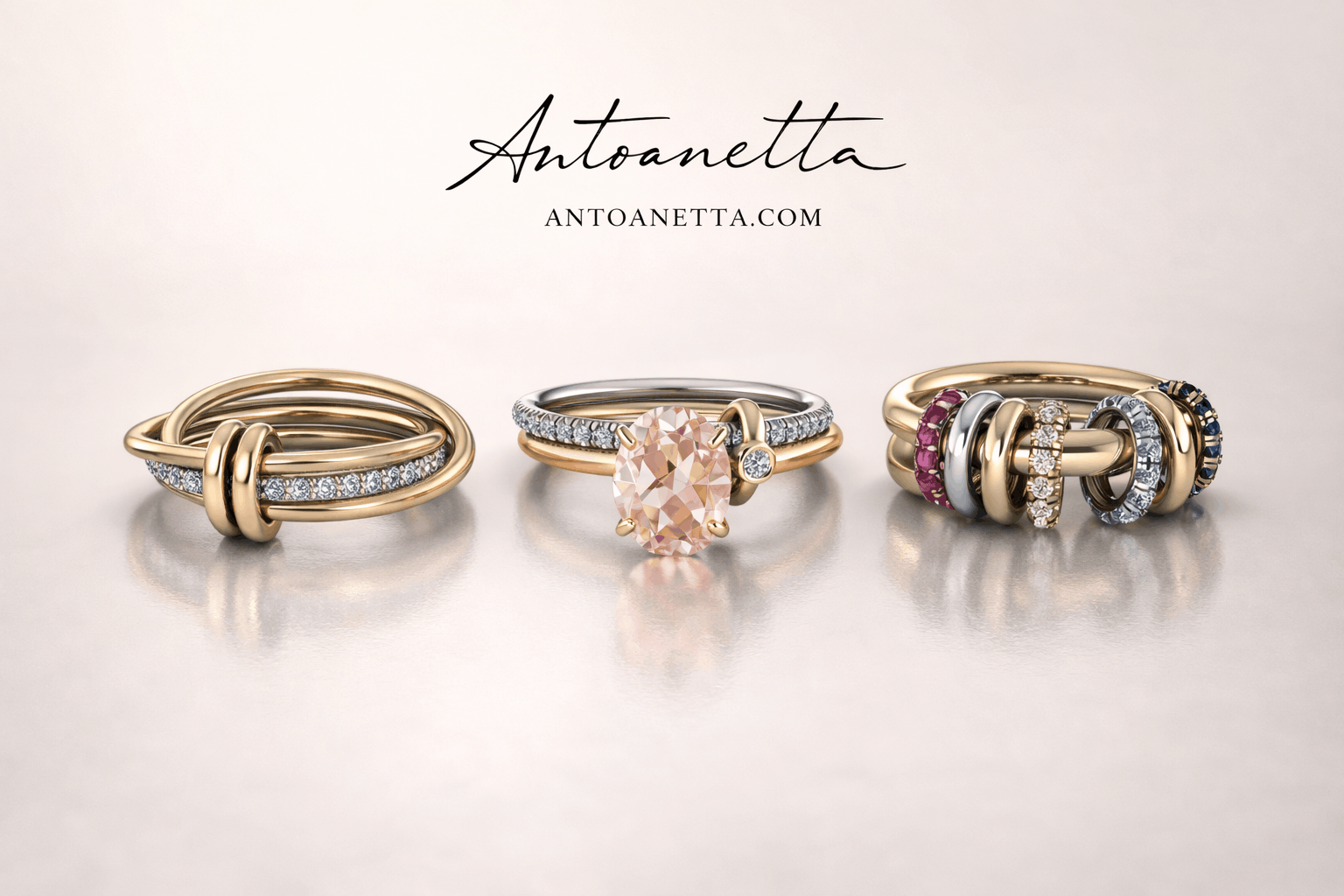
In ring design, rose gold works equally well in both delicate and bold styles. Thin eternity bands in rose gold have a feminine elegance, while wide statement rings take advantage of the metal's warmth and depth. Mixed-metal designs that combine rose gold with yellow or white gold create visual contrast that highlights the unique character of each alloy. See 14k rose gold ring designs for examples of how this alloy looks in artisan settings.
Discover the warmth and character of solid 14k rose gold, handcrafted in Los Angeles.
View Rose Gold Rings