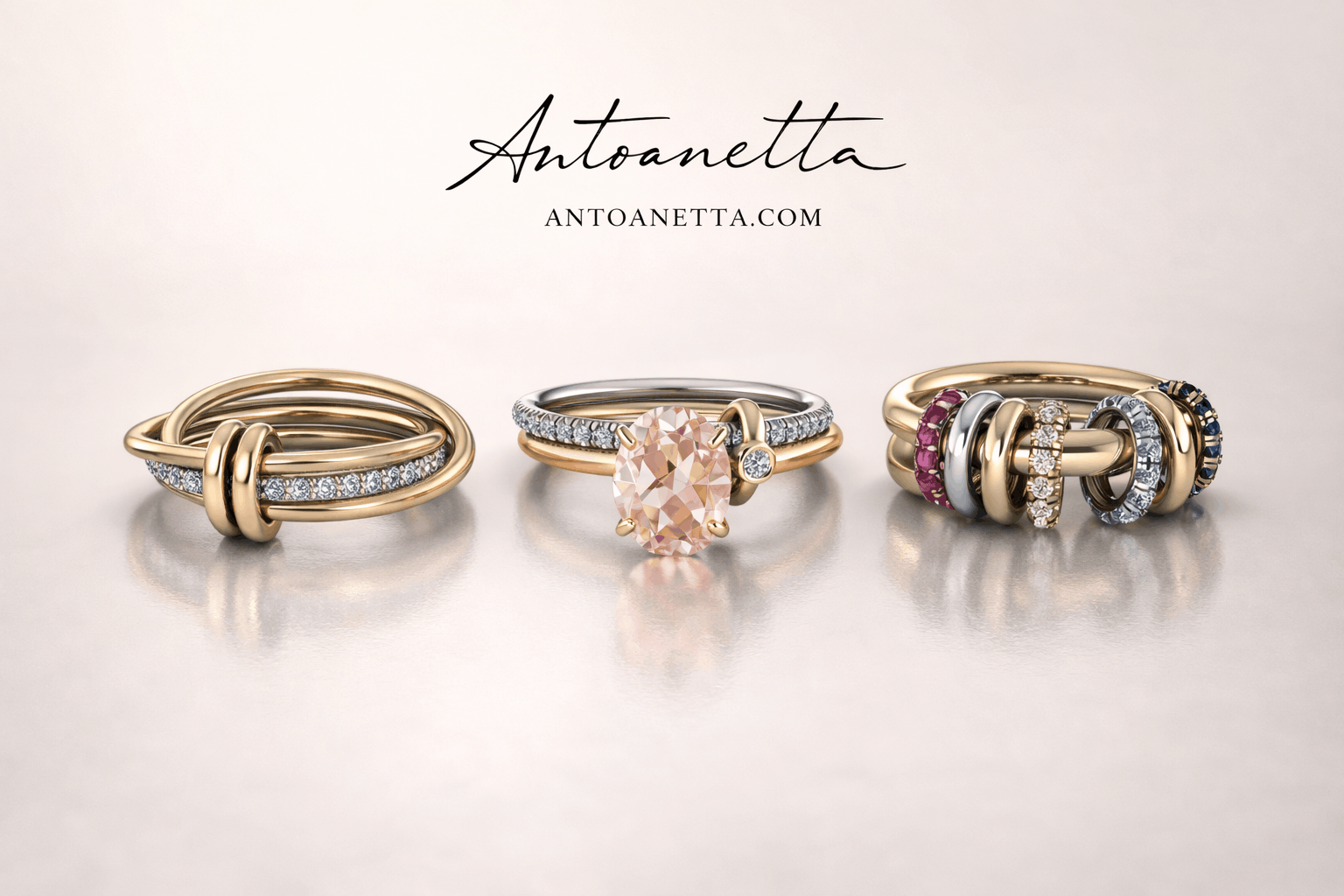
Is 14k Gold Good for Everyday Wear?
14k gold is one of the best options for rings you plan to wear every day. Its alloy composition strikes a balance between gold content and structural strength that makes it resistant to the scratches, dents, and bending that come with constant use. Most fine jewelry sold in the United States is 14k for exactly this reason.
The question is not just whether 14k gold survives daily wear, but how well it performs compared to alternatives. The answer involves understanding its hardness, how it interacts with your skin, and what kind of maintenance it requires over time.
What Makes 14k Gold Harder Than Higher Karats?
14k gold contains 58.3% pure gold and 41.7% alloyed metals, typically copper, silver, and zinc. Pure gold ranks about 2.5 on the Mohs hardness scale, which makes it too soft for practical jewelry. The alloyed metals in 14k push that hardness higher, giving the finished ring enough rigidity to resist surface damage during normal activities.
Compared to 18k gold, which contains 75% pure gold, 14k is noticeably more resistant to scratching. The difference becomes apparent over months of wear. An 18k ring develops a soft patina of fine scratches relatively quickly, while a 14k ring maintains a cleaner surface for longer. For rings with detailed textures, pave settings, or mechanical components like moving links, this added hardness helps preserve the design integrity.
How Does 14k Gold React to Water, Sweat, and Chemicals?
Solid 14k gold does not rust or corrode. You can wash your hands, shower, and swim without worrying about structural damage to the metal itself. However, prolonged exposure to chlorine, saltwater, and harsh cleaning chemicals can affect the surface finish over time, particularly on polished pieces.
Sweat contains salts and acids that interact with the copper in gold alloys. On rare occasions, this can cause a faint discoloration on the skin beneath the ring. This is not a defect - it is a natural chemical reaction that varies by individual body chemistry. It washes off easily and does not indicate any problem with the gold quality. Solid 14k gold will not flake, peel, or wear through the way plated or filled alternatives do.
Does 14k Gold Lose Its Shape Over Time?
All gold rings experience minor changes in shape over years of wear. Thin bands may bend slightly if subjected to pressure against hard surfaces. However, 14k gold holds its form significantly better than 18k or 24k alternatives. The higher proportion of hardening metals in the alloy gives it structural memory that resists gradual deformation.
For rings with wider bands or more substantial construction, shape retention is rarely a concern. The thicker the gold walls, the more force required to alter them. Artisan rings that feature complex engineering - interlocking bands, rotating elements, or connected segments - rely on 14k specifically because softer alloys would compromise the mechanical precision over time.
What Maintenance Does 14k Gold Need for Daily Wear?
The maintenance requirements for 14k gold are minimal. A periodic cleaning with warm water, a drop of mild dish soap, and a soft cloth restores the original luster. For rings with gemstone settings, a soft-bristled toothbrush helps remove buildup from hard-to-reach areas around prongs and channels.
Professional polishing every year or two removes fine surface scratches and brings back the factory finish. This is a quick and inexpensive service that any jeweler can perform. Between professional cleanings, 14k gold maintains an attractive appearance with very little effort - one of the reasons it remains the standard for jewelry meant to be worn constantly.
Is 14k Gold Safe for Sensitive Skin?
14k gold is generally well-tolerated by people with sensitive skin. The most common cause of jewelry-related skin reactions is nickel, which is sometimes used in white gold alloys. If you have a known nickel sensitivity, look for white gold rings that use palladium instead of nickel in their alloy, or choose yellow or rose gold, which rarely contain nickel at all.
Because 14k gold is a solid alloy rather than a coating, it does not expose your skin to base metals the way plated jewelry does. There is no underlying layer of brass or copper waiting to be revealed by wear. The metal in contact with your skin on day one is the same metal that will be there years later. Discover solid 14k gold rings designed for daily wear to find pieces built for exactly this kind of commitment.
Find rings built to handle everything your day throws at them.
Shop 14k Gold Everyday Rings