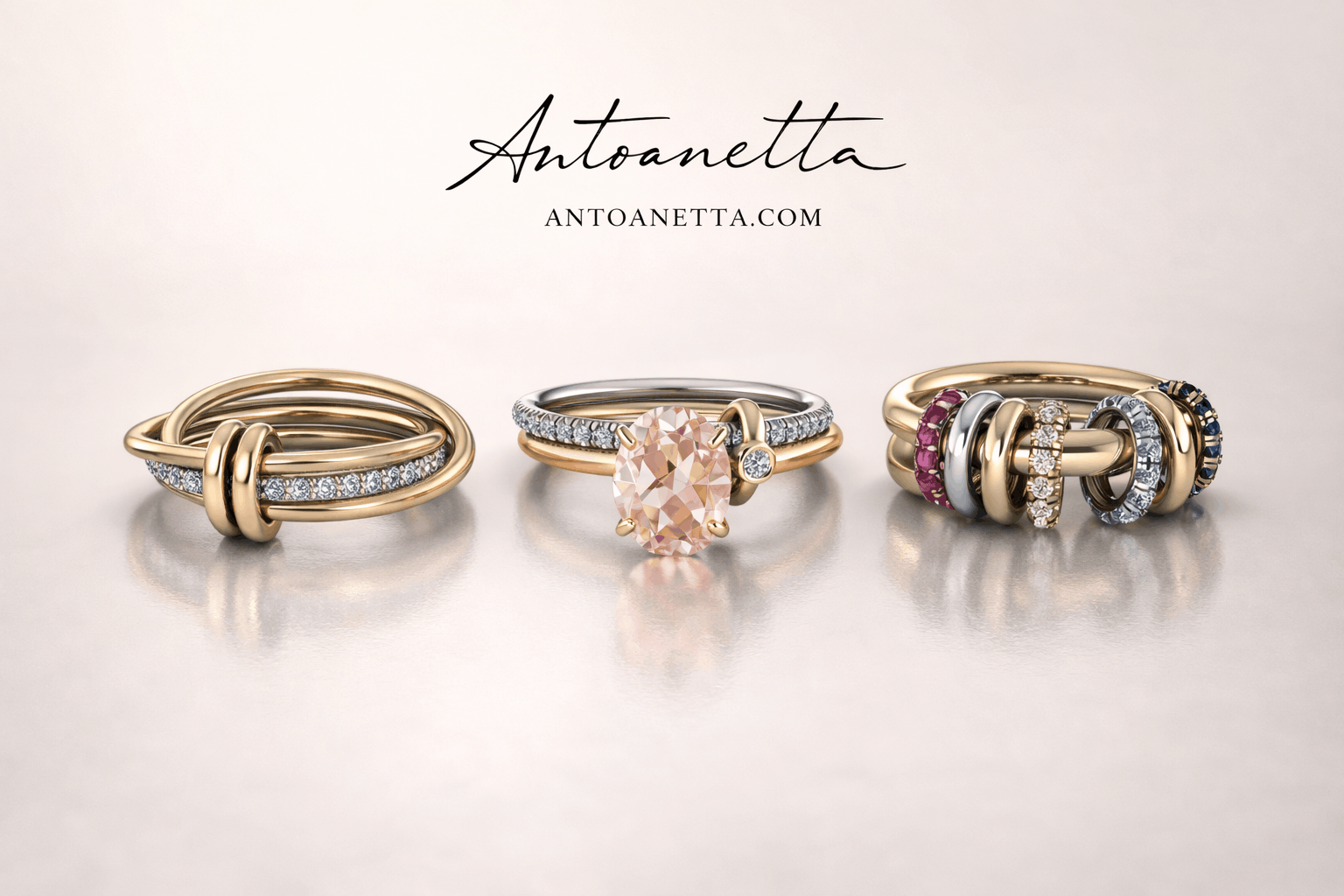
Does 14k Gold Tarnish Over Time?
14k gold does not tarnish in the way that silver or brass does. It will not develop a black or green layer of oxidation from normal exposure to air and moisture. However, 14k gold can experience subtle surface changes over time depending on its alloy composition and what it comes into contact with during daily wear.
Understanding the difference between true tarnish and normal surface changes helps set realistic expectations for how your gold ring will age and what you can do to keep it looking its best.
What Is Tarnish and Why Does Gold Resist It?
Tarnish is a chemical reaction between a metal and sulfur compounds in the air or on the skin. Silver is highly reactive to sulfur, which is why sterling silver jewelry darkens over time. Gold, by contrast, is one of the least reactive metals on earth. Pure gold does not oxidize or react with sulfur at all, which is why ancient gold artifacts still gleam after thousands of years.
In a 14k gold ring, 58.3% of the metal is pure gold. The remaining 41.7% consists of alloyed metals - typically copper, silver, and zinc. These metals are more reactive than gold itself, which means the alloy as a whole is slightly more susceptible to surface reactions than pure gold would be. But the gold content is high enough to provide strong protection against visible tarnish under normal conditions.
What Causes Surface Discoloration on 14k Gold?
While 14k gold resists tarnish, certain substances can cause temporary surface dulling or discoloration. Chlorine from swimming pools and hot tubs is one of the most common culprits. It reacts with the copper in the alloy and can leave a faint darkening on the surface. Household cleaning products, perfumes, and lotions with high sulfur content can produce similar effects.
Body chemistry also plays a role. Some people's sweat is more acidic than others, and higher acidity can accelerate minor surface reactions with the copper and silver in the alloy. This sometimes shows up as a faint dark mark on the skin beneath the ring. It is not harmful and does not indicate poor quality - it is simply a chemical interaction between the metal and your body's natural chemistry.
How Does 14k Gold Compare to Other Metals for Tarnish Resistance?
On the spectrum of tarnish resistance, 14k gold sits comfortably near the top. Sterling silver requires regular polishing to prevent blackening. Brass and copper develop green patina within weeks of exposure. Even platinum, which does not tarnish, develops a matte surface film called patina that many people mistake for dullness.
14k gold holds its color and reflectivity far longer than most metals used in jewelry. It does not require the constant maintenance that silver demands, and it ages more gracefully than platinum for those who prefer a bright, polished appearance. The only metals that outperform 14k for tarnish resistance are higher-karat golds - both of which sacrifice hardness in the process.
How Do You Prevent and Remove Discoloration?
Prevention comes down to limiting exposure to reactive chemicals. Remove your ring before swimming in chlorinated water, applying lotions or perfumes, and cleaning with household chemicals. Store it separately from other jewelry to avoid surface scratches that can trap residue.
If discoloration does occur, it is almost always reversible. A simple soak in warm water with a few drops of mild dish soap, followed by gentle scrubbing with a soft cloth or toothbrush, removes most surface buildup. For stubborn discoloration, a professional jeweler can polish the ring in minutes, restoring the original brightness. Unlike plated jewelry, where polishing removes the gold layer entirely, polishing solid 14k gold simply smooths the surface of the same alloy throughout.
Does the Type of Gold Color Affect Tarnish Resistance?
Yellow, white, and rose gold all use different alloy formulas, which means they respond slightly differently to environmental factors. Yellow gold tends to be the most resistant because its alloy closely mirrors the properties of pure gold. Rose gold contains a higher proportion of copper, which makes it marginally more reactive to chlorine and acidic compounds. White gold is typically rhodium-plated, and the rhodium layer provides an additional barrier against surface reactions - though that layer does wear over time and may need replating every few years.
Regardless of the gold color, 14k remains a highly stable alloy that maintains its appearance with minimal care. See tarnish-resistant 14k gold rings for options designed to keep their luster through years of daily wear.
Solid 14k gold that stays beautiful without constant maintenance.
View Tarnish-Resistant Gold Rings