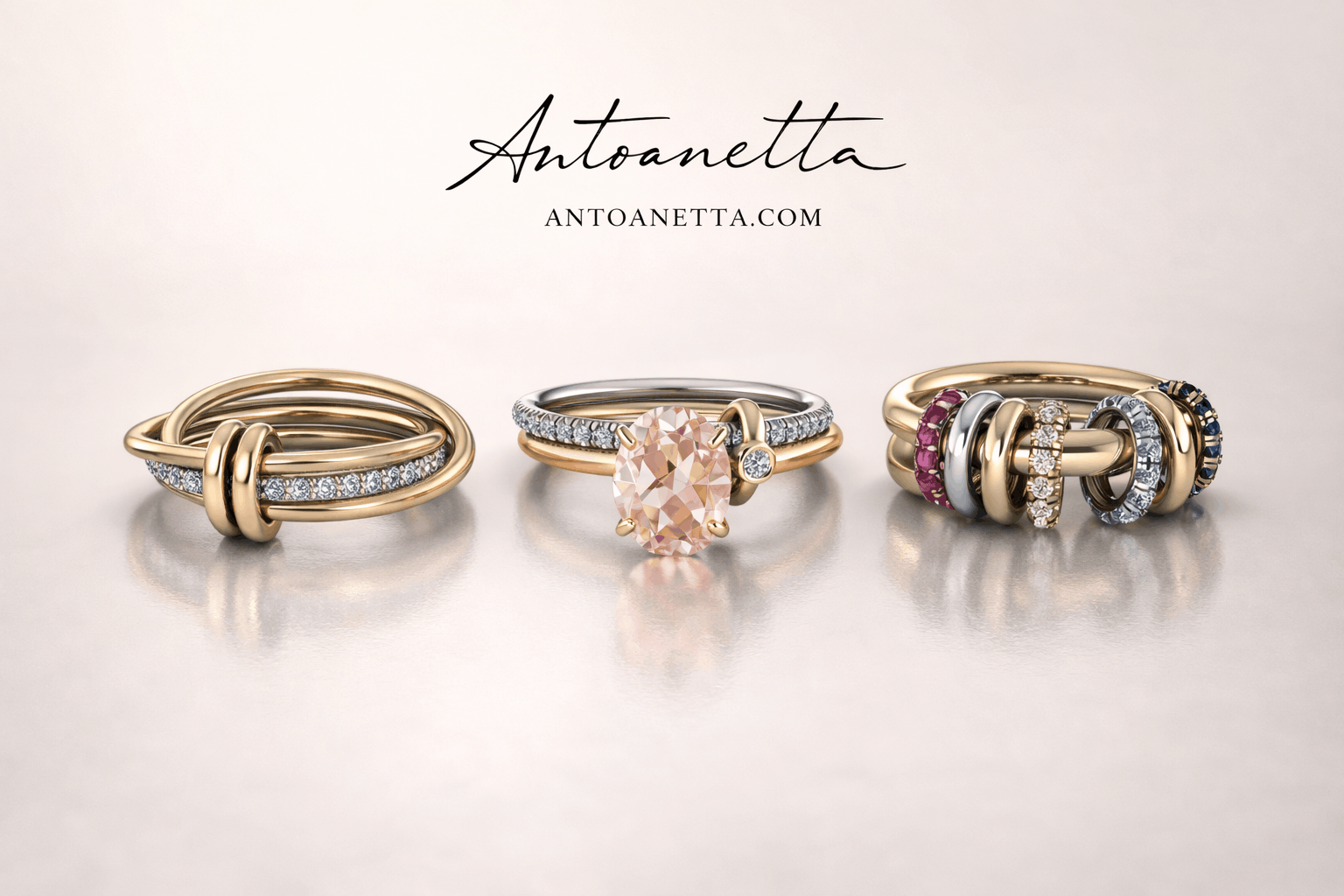
Can You Wear a Gold Ring in the Shower?
You can wear a solid gold ring in the shower without damaging the metal. Gold does not rust, corrode, or react with water. A 14k gold ring will come out of the shower looking the same as it did going in. However, there are practical reasons to consider whether wearing it in the shower is a good long-term habit, particularly if your ring has gemstone settings or moving components.
What Does Water Do to Solid Gold?
Nothing structurally. Gold is one of the most chemically inert metals on earth. Pure water - whether hot, cold, or steaming - does not cause any reaction with gold or its common alloy metals. Your ring will not discolor, weaken, or degrade from water contact alone. This resistance to water damage is one of the fundamental advantages of solid gold over plated, filled, or costume jewelry alternatives that can be ruined by moisture.
The distinction between solid gold and plated gold matters significantly here. A gold-plated ring exposed to daily shower water will lose its plating faster because moisture accelerates the breakdown of the thin gold layer. A solid gold ring has no layer to lose - the metal that contacts the water is the same metal throughout the entire ring.
How Do Soap, Shampoo, and Conditioner Affect Gold?
Mild soap does not damage gold. However, soaps, shampoos, and conditioners leave residue on the ring's surface over time. This residue builds up in textured areas, around stone settings, and inside any recessed portions of the design. The result is a gradual dulling of the ring's appearance - not damage to the metal, but a film that reduces its natural luster and sparkle.
Conditioner is the most common culprit for residue buildup because it is designed to coat surfaces. If you shower with your ring regularly and use conditioner, you may notice the ring losing its brightness faster than if you removed it. A periodic cleaning with warm water and dish soap reverses this completely, but removing the ring before conditioning your hair prevents the buildup in the first place.
Are There Risks for Gemstone-Set Rings?
Most hard gemstones - diamonds, sapphires, rubies - are unaffected by shower water. However, the settings that hold the stones can be compromised over time. Repeated exposure to thermal cycling (hot water followed by cooler air) causes microscopic expansion and contraction in the metal. Over months and years, this can gradually loosen prong settings. Pave settings are particularly vulnerable because the tiny prongs holding each stone have very little material to work with.
If your ring has softer or porous gemstones like opals, pearls, turquoise, or emeralds, regular shower exposure is not recommended. These stones absorb moisture, react to temperature changes, and can be damaged by the chemicals in personal care products.
What About Rings with Moving or Kinetic Components?
Rings with moving elements - spinner bands, articulated links, rotating components - benefit from being removed before showering. Soap residue can accumulate at the pivot points and contact surfaces where moving parts interact, eventually creating friction that makes the movement feel rough or sluggish. Keeping these areas clean and dry preserves the smooth mechanical action that makes kinetic rings satisfying to wear.
What Is the Best Practice?
For a simple solid gold band with no gemstones, wearing it in the shower is perfectly fine. For rings with gemstone settings, moving components, or intricate textures, removing the ring before showering extends its life and reduces maintenance. If you do shower with your ring, a quick soap-and-water cleaning every couple of weeks removes any accumulated residue. Explore solid 14k gold rings built for everyday life to find pieces designed to handle whatever your routine includes.
Rings built to handle real life - solid 14k gold that goes wherever you go.
Shop Everyday Gold Rings